

Baltics 2026
Package tour : for pre-established groups, exclusive services
Duration : 8 days 7 nights
Code : T-GRP-BALT-08
Itinerary : Vilnius, Riga-Tallinn
Duration: 8 days 7 nights
Itinerary: Vilnius, Trakai, Hill of Crosses, Rundale, Riga, Sigulda, Parnu, Tallinn
Treatment: half board (lunches bookable)
Excursions: included with Italian guide and entrances
Transfers: 2 transfers with assistance in Italian, private bus for internal travel
Tour note : Itinerary, prices and program are subject to reconfirmation
For quotes : you can send your requests to info@incoming-tours.com
Classic Baltic Tour 8 days
Program
Day 1: Vilnius
Arrival in Vilnius. Meet your local guide.
Transfer with assistance to the hotel. Check-in.
Dinner at the hotel.
Day 2: Vilnius
Breakfast at the hotel. Dinner at the hotel.
Guided tour of Vilnius, the historic city founded on three hills by Grand Duke Gediminas in 1323. Visits: the Cathedral, a symbol of Lithuania built in the 13th century, the Gothic pearl of St. Anne's Church, and the Jewish Quarter. Visit Vilnius University, one of the oldest in Eastern Europe. Visit the Amber Museum. Free time.
Day 3: Vilnius - Trakai - Vilnius
Breakfast at the hotel. Dinner at the hotel.
Departure for Trakai, the ancient capital, 28 km from Vilnius, on a peninsula in the middle of three adjacent lakes, with a so-called "Castle on the Water." Return to Vilnius, climb Gediminas' Tower for a beautiful view of Vilnius.
Day 4: Vilnius - Hill of Crosses - Rundale - Riga (320 km)
Breakfast at the hotel. Dinner at the hotel.
Departure for Riga. Stop at the Hill of Crosses, a hill with thousands of crosses stacked one on top of the other, a unique and sacred site for pilgrims from around the world. Departure for Rundale. Visit Rundale Palace, designed by the Italian architect Rastrelli. Arrival in Riga, hotel check-in.
Day 5 Riga
Breakfast at the hotel. Dinner at the hotel.
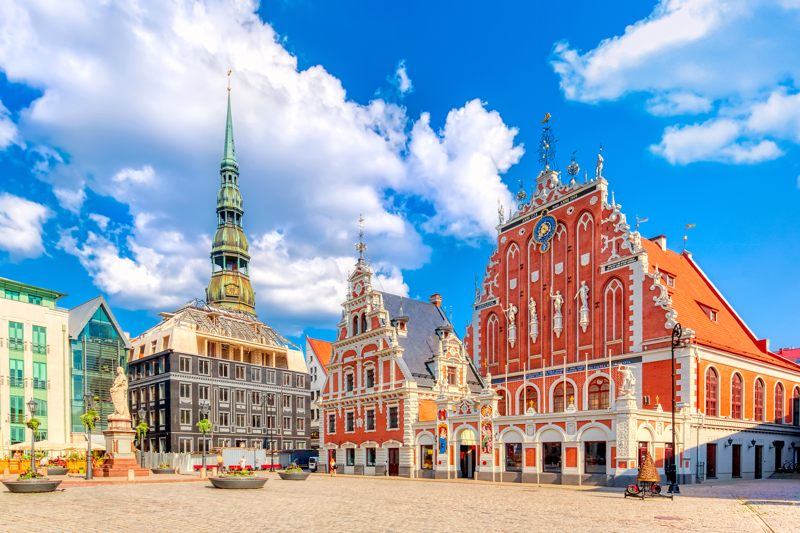
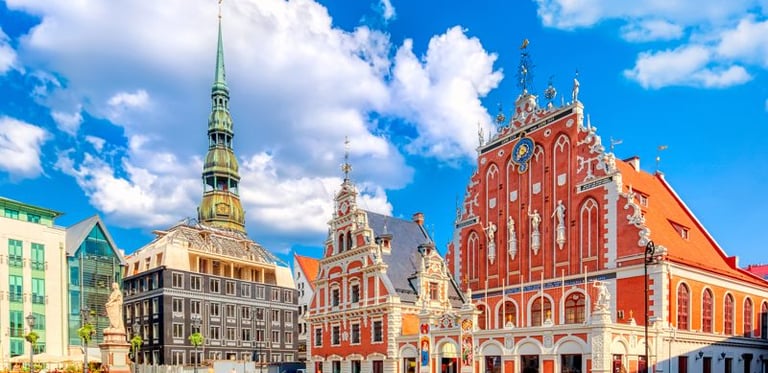
Excursion to Riga, one of the oldest cities of the Hanseatic League, founded in 1201 by German merchants. Visit the most famous sites: St. Peter's Cathedral, with the tallest wooden tower in Eastern Europe, the Dome Cathedral, the Blackhead House, which for years served as a hotel for individual traveling merchants, Riga Castle, the largest Art Nouveau gallery designed by the Russian architect Eisenstein. Free time.
Day 6 Riga - Sigulda - Parnu - Tallinn (360 km)
Breakfast at the hotel. Dinner at the hotel.
Departure for Tallinn, en route stopping in Sigulda, the central city of Gauja National Park, known as the "Latvian Switzerland." Stop in Parnu for a stroll along the shores of the Baltic Sea. Arrival in Tallinn in the afternoon.
Day 7 Tallinn
Breakfast at the hotel. Dinner at the hotel.
Visit Tallinn's Old Town, first mentioned on maps in 1154 by an Arab geographer. A tour of the city's most significant historical and architectural monuments includes Toompea Castle, the Orthodox Cathedral of St. Alexander Nevsky, a symbol of the power of the Russian Tsars, St. Nicholas Church, the Estonian Parliament Building, Pirita, Kiek in de Kok, the Cathedral, a jewel of Gothic architecture, and Town Hall Square, an ancient medieval market. Free time.
Day 8: Tallinn
Breakfast at the hotel. Transfer to the airport with assistance. Departure.
End of services.
tour in the Baltics
We offer some sample programs for your trip to the Baltics, enriching your experience with numerous options to explore and fully experience the local culture. Incoming Tours specializes in organized trips for pre-formed groups, ensuring every detail is carefully planned to offer you the best possible service. For individual travelers, we can design custom itineraries and optimize them in terms of cost, visits, and duration, so you can make the most of your time. All programs are customizable and optimized based on your needs, creating a trip that fits your desires.
For your inquiries, please write to us at info@incoming-tours.com
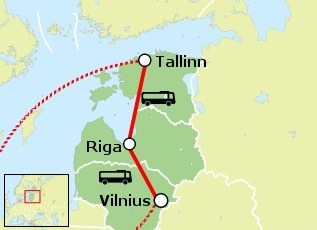
Duration : 7 days 6 nights
Code : PG-BALT-07
Itinerary : Vilnius, Riga, Tallinn
Guaranteed Departures
Package: for individuals joining our groups, departures on fixed dates
Treatment: breakfast and overnight stay
Excursions: city tours included

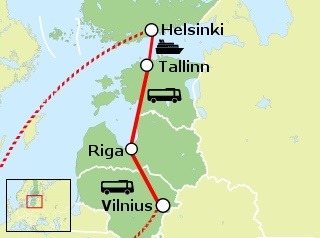
Duration : 8 days 7 nights
Code : T-GRP-BALT-08
Itinerary : Vilnius, Riga-Tallinn
Package: for pre-formed groups, exclusive services
Duration: 8 days 7 nights
Itinerary: Vilnius, Trakai, Hill of Crosses, Rundale, Riga, Sigulda, Parnu, Tallinn
Treatment: half board (lunches bookable)
Excursions: included with guide and entrances
Transfers: 2 transfers with assistance, private bus for transfers between cities
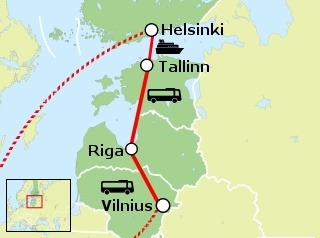
Duration : 8 days 7 nights
Code : T-GRP-BALT+HEL-08
Itinerary : Vilnius, Riga, Tallinn, Helsinki
Package: for pre-formed groups, exclusive services
Duration: 8 days 7 nights
Itinerary: Vilnius, Trakai, Hill of Crosses, Rundale, Riga, Sigulda, Parnu, Tallinn, Helsinki
Treatment: half board (lunches bookable)
Excursions: included with guide and entrances
Transfers: 2 transfers with assistance, private bus for transfers between cities
Top places to visit in the Baltics
After independence from the Soviet Union, the historic centers of the Baltic cities underwent a significant transformation, being completely cleaned up and revitalized. This process led to a cultural and architectural renaissance that has made Vilnius, Tallinn, and Riga true architectural gems. Each city presents a fascinating mix of history and modernity, with historic buildings harmoniously coexisting with newer structures. Incoming Tours offers travel packages for pre-formed groups, for which you can request a personalized quote. These packages are designed to allow you to explore not only the most famous monuments, but also hidden and authentic corners of these metropolises. All programs are customizable and include excellent professional Italian-speaking guides and exclusive transportation, as well as privileged entrances to must-see museums and tourist attractions. We aim to offer you an unforgettable experience as you discover the wonders of these Baltic cities, rich in history and culture.
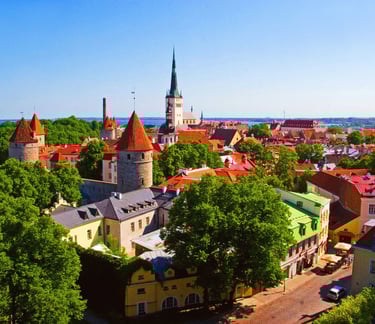
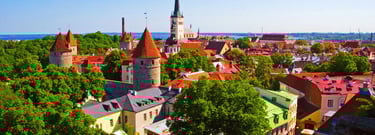
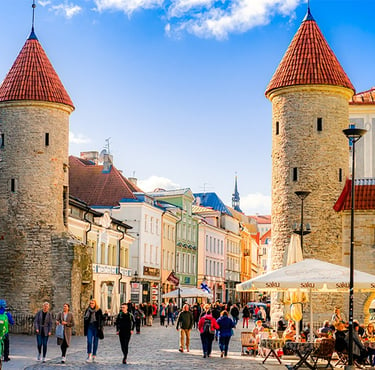
Tallinn
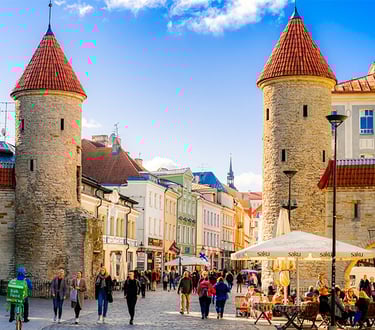
Estonia's capital, Tallinn is the country's main tourist attraction, with its medieval Old Town, a UNESCO World Heritage Site. It is a fascinating blend of history and culture, where ancient city walls stand alongside modern and innovative buildings. Visitors can stroll along the cobbled streets of Old Town, admiring Gothic and Baroque architecture while exploring shops, cafes, and art galleries. Each year, Tallinn hosts numerous festivals and events celebrating its cultural heritage and contemporary creativity, making the city a vibrant and inspiring place to visit.
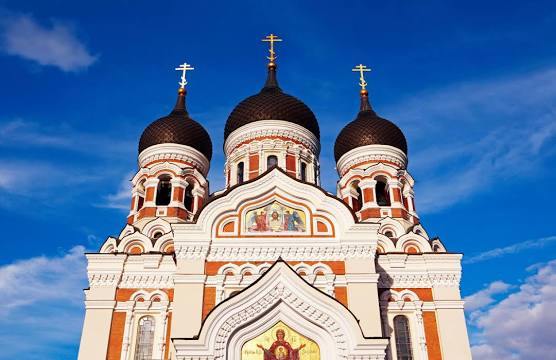
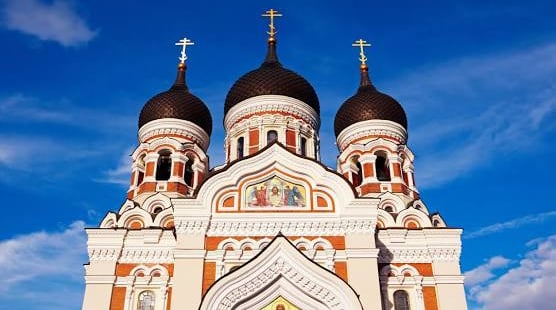
Alexander Nevsky Cathedral
An Orthodox cathedral built in the late 19th century in Russian Byzantine style, it stands on Toompea Hill in Tallinn's Old Town, a place rich in history and culture. This imposing religious structure, with its golden domes and elaborate architectural details, attracts visitors from around the world, eager to admire its beauty and discover the fascinating history that inspired its construction. It represents an important symbol of the Russian community in Tallinn and offers a peaceful haven amidst the bustling city life. During religious services and cultural events, the cathedral comes alive with the sounds of choirs and prayers, making the atmosphere even more magical and captivating.


Narva
A town located on the Russian border, on the way to St. Petersburg. It is home to a well-preserved 14th-century fortress. This charming town boasts a rich and varied history, rooted in ancient times. Narva is known for its historic architecture, which reflects the influences of various cultures over the centuries. The fortress is not only a major tourist attraction but also a symbol of the city's resilience, attracting visitors interested in history and culture. After exploring the medieval streets and historic churches, visitors can relax in local cafes, enjoying traditional dishes and admiring the river scenery.
Country profile: Estonia
Estonia in breve
Capital: Tallinn
Population: approximately 1.3 million
Language: Estonian (official), English is widely spoken
Currency: Euro
Dialing code for Italy: 0039
Dialing code from Italy: 00372
Safety: Beware of petty crime in large cities, but overall the level of safety is above the European average
Documents: For EU citizens, entry is with a valid identity card or passport
Before departure
For a complete overview of the destination, please visit the dedicated website of Ministry of Foreign Affairs of your country, check the latest warnings and information about the country . This link provides the most up-to-date information regarding travel regulations for the destination you intend to visit.
When to visit Estonia
Estonia has a Nordic climate, with frequent snowfall during the winter and cool temperatures during the summer. At these latitudes, summer can be characterized by frequent rainfall, making the landscape evergreen and vibrant. For lovers of winter landscapes, autumn and winter offer romantic and enchanting views, but it's important to note that temperatures can be quite cold, with averages around -2°C (28°F) in winter.
However, this shouldn't deter visitors, as the beauty and tranquility of nature at this time of year can be truly captivating. The best seasons for walking and hiking remain spring and summer, when nature is in bloom and the climate is more temperate, with an average summer temperature of 21°C (70°F). This period, from late April to September, is perfect for exploring Estonia's numerous national parks and stunning coastlines, making your visit even more memorable.
Riga
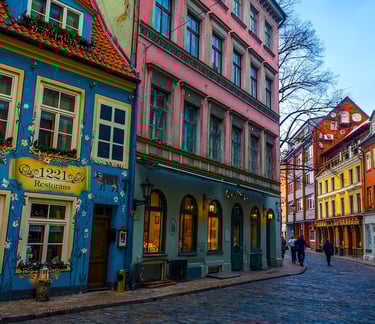
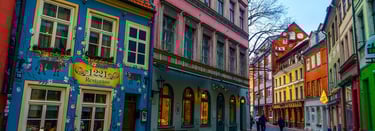
The Latvian capital, one of the major Baltic cities, boasts a magnificent Old Town, a perfect balance between ancient traditions and modernity. Riga is famous for its Art Nouveau architecture, cobbled streets, and vibrant markets offering a wide array of fresh, local produce. The city also hosts numerous cultural and music festivals every year, attracting visitors from around the world. Furthermore, its rich historical heritage makes Riga an unparalleled tourist destination, perfect for those seeking to immerse themselves in Latvian history and culture.

Rundale
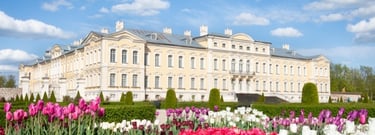
An 18th-century jewel designed by Italian architect Rastrelli, surrounded by a vast, splendid garden inspired by that of Versailles. This extraordinary palace is not only an example of Baroque architecture, but also a symbol of the history and culture of the time. Its sumptuous rooms and elaborate details speak of an era when art and beauty were central to daily life. Guests can stroll through the impeccably manicured gardens, admire the fountains and sculptures, and immerse themselves in an experience that blends history and nature.


Sigulda and Turaida
Nestled in the greenery of Gauja Park, its beauty is breathtaking. Sigulda is famous for its Gothic castle, built in 1878 and an important symbol of Latvian history. It is surrounded by pristine nature offering breathtaking views. Furthermore, nearby Turaida, with its fortress dating back to 1209, adds another layer of charm to this region. Here, visitors can explore historic trails, enjoy outdoor activities, and immerse themselves in the local culture, making a visit to this place a memorable and fascinating experience.
Country profile: Latvia
Latvia in brief
Capital: Riga
Population: approximately 2 million
Language: Latvian (official), English is widely spoken
Currency: Euro
Dialing code for Italy: 0039
Dialing code from Italy: 00371
Safety: Beware of petty crime in large cities, but overall the safety level is above the European average
Documents: For EU citizens, entry requires a valid identity card or passport
Before departure
For a complete overview of the destination, please visit the dedicated website of Ministry of Foreign Affairs of your country, check the latest warnings and information about the country . This link provides the most up-to-date information regarding travel regulations for the destination you intend to visit.
When to visit Latvia
Latvia is captivating year-round, and each offers a unique and memorable experience. For lovers of winter landscapes, autumn and winter offer romantic and magical views, but temperatures at these latitudes can be quite cold, averaging around -2°C (28°F) during the winter months. However, the serene and silent atmosphere of snow-covered nature has its own special charm. The best seasons for walking and hiking remain spring and summer, when nature awakens and splendid flowers color the landscape. The summer average is around 21°C (70°F), making it possible to enjoy the mild climate and long days in which to explore Latvia's natural and cultural beauties, from late April until September, when everything bursts into life and vibrancy.
Vilnius
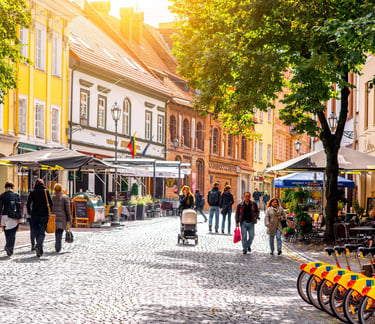
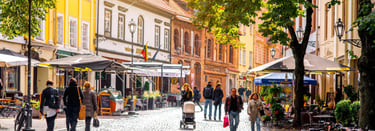
The capital of Lithuania, Vilnius is famous for its vast Baroque Old Town, a UNESCO World Heritage Site. The city is not only a cultural hub but also known for its vibrant nightlife, numerous high-quality restaurants, and enchanting parks offering opportunities for outdoor activities. In the summer, Vilnius becomes a veritable stage for events, festivals, and concerts that attract visitors from around the world.
Trakai Castle
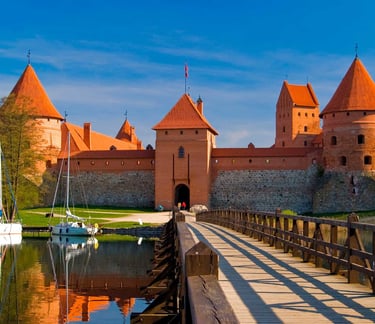
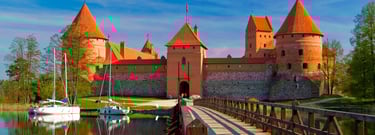
A picturesque castle located on an island in Lake Galvė, built in the 13th century, within what is now Trakai National Historical Park. This historic fortress is renowned not only for its architectural beauty but also for its historical significance. Surrounded by crystal-clear waters and immersed in enchanting nature, Trakai Castle attracts thousands of tourists every year who wish to explore its ancient walls and uncover the secrets of its history, making it one of Lithuania's cultural gems.
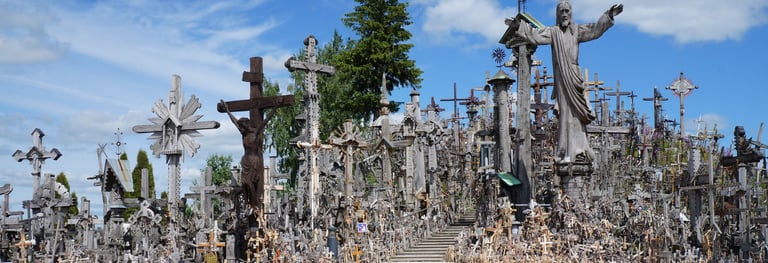
Hill of Crosses
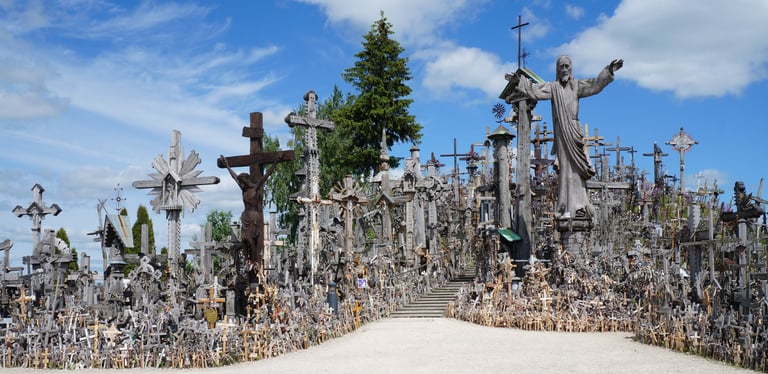
A pilgrimage site, the Hill of Crosses is located in the Lithuanian town of Šiauliai and represents an important religious and cultural symbol. It houses over 400,000 crosses donated by pilgrims over the centuries, each telling a unique story of faith and devotion. The hill has become a place of reflection and meditation, attracting visitors from around the world who wish to leave a mark of their passage and honor the memory of their loved ones. Not only a sacred site, but also a tourist attraction that offers breathtaking views and a moving experience to its visitors.
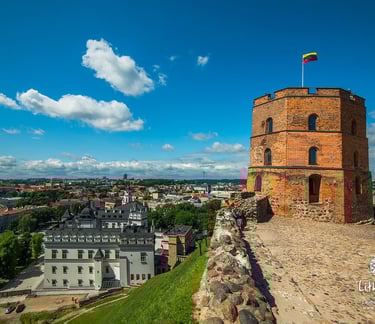
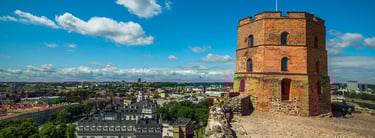
Gediminas Tower
Gediminas' Tower, a fascinating historical structure and representative of Lithuanian culture, originally part of an ancient castle, still dominates the hill of the same name with a splendid panoramic view of the Lithuanian capital, Vilnius. This imposing monument is not only a symbol of resilience and architectural sophistication, but also a place where history and legend intertwine, attracting tourists and scholars from around the world. Its strategic location offers a fascinating perspective of the city below, allowing visitors to immerse themselves in the beauty and history of Lithuania.
Country profile: Lithuania
Lithuania in brief
Capital: Vilnius
Population: approximately 2.8 million
Language: Lithuanian (official), English is widely spoken
Currency: Euro
Dialing code for Italy: 0039
Dialing code from Italy: 00370
Safety: Beware of petty crime in large cities, but overall the safety level is above the European average
Documents: For European Union citizens, entry requires a valid identity card or passport
Before departure
For a complete overview of the destination, please visit the dedicated website of Ministry of Foreign Affairs of your country, check the latest warnings and information about the country . This link provides the most up-to-date information regarding travel regulations for the destination you intend to visit.
When to visit Lithuania
Lithuania, like its neighboring Baltic countries, has a rather cold continental climate, characterized by harsh winters with frequent snowfall and cool summers, with temperatures that vary significantly. During the winter, snow lovers can enjoy enchanting landscapes, with opportunities for winter sports such as skiing and snowboarding. Temperatures during this season can drop below freezing, averaging around -4°C (25°F). Autumn offers romantic views of changing leaves, making the landscape even more enchanting, while spring brings flowers and temperatures that begin to rise, offering warmer and more pleasant days. The best seasons for walking and hiking remain spring and summer, when the average summer temperature hovers around 21°C (70°F), creating an ideal atmosphere for exploring the country's natural and cultural beauties (considering the period from late April to September). It's a perfect time to visit national parks, nature reserves, and charming historic cities, where you can discover local traditions and the warm hospitality of the locals.

Contacts
Italy: Incoming Tours
via Padre Losi 24 - Caselle Landi - LO - IT
REA number: LO - 2682570
Policy Europassistance No. 4818133
Eastern Europe representative:
ul.Partizanskaya 25 - Moscow - RU
Mongolia representative:
Chonon bld, Seoul St., Ulaanbaatar, Mongolia - MNG
Central Asia representative:
ul.Kurmangazy 1/96/25 Almaty - KZ
telephone: +39 0377046332
WhatsApp: +393334052902
mail: info@incoming-tours.com